
The Chihuahua: a tiny dog with the ego of a lion
Introduction
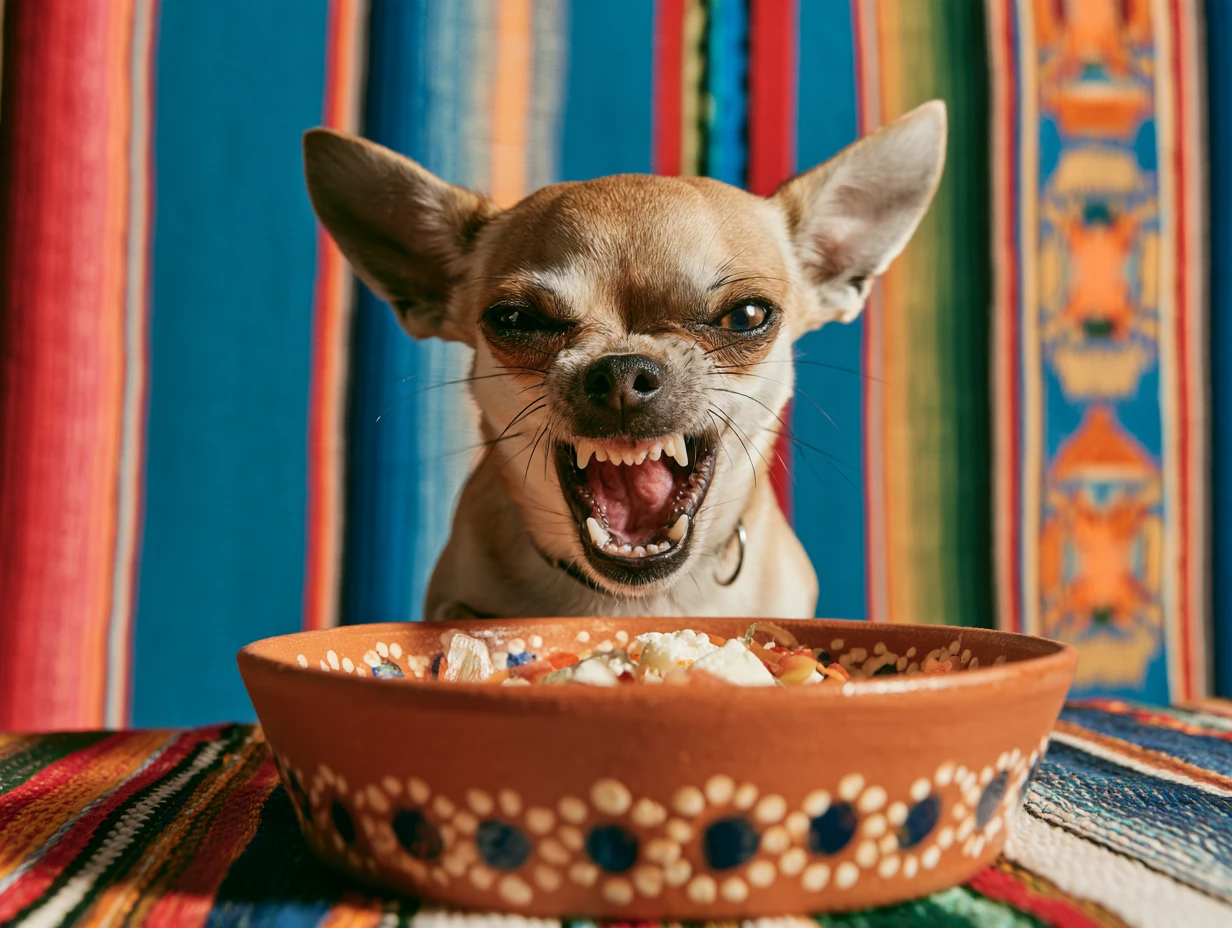
If dogs had a competition for the biggest personality in the smallest body, the Chihuahua would probably win first place, bark at the judges, and demand a bigger trophy. Weighing just a few kilograms, this little dog somehow manages to behave as if it owns the entire planet. With its enormous ears, expressive eyes, and confidence that could intimidate a dinosaur, the Chihuahua is proof that size really is just a number.
Originally from Mexico, the Chihuahua has become one of the world’s most recognizable dog breeds. It is loved for its loyalty, intelligence, playful nature, and ability to turn an ordinary afternoon into a full-blown dramatic production. A stranger rings the doorbell? Emergency! A leaf moves outside? Suspicious! Its owner goes to the bathroom without it? Unforgivable betrayal!
However, behind the comedy lies a devoted companion that needs proper care, training, exercise, and attention. According to breed guides from the American Kennel Club (AKC), Calingo, and Fressnapf, Chihuahuas have distinctive personalities and specific needs that prospective owners should understand. After all, even the world’s smallest drama queen deserves a happy and healthy life.
History and origin: from ancient Mexico to modern royalty
The Chihuahua comes from Mexico, and its history may stretch back centuries. One popular theory connects the breed to the Techichi, a small dog associated with the ancient Toltec civilization. These dogs may have played important roles in the lives and cultural traditions of the people who kept them.
Although researchers continue to debate the breed’s exact origins, its connection to Mexico is well established. The modern Chihuahua takes its name from the Mexican state of Chihuahua, where small dogs resembling the breed became known to visitors.
The American Kennel Club officially recognized the Chihuahua in 1904. Since then, the breed has conquered homes across the world, becoming a favorite among people who want a small companion with a big personality.
And what a personality! Somewhere along the way, the Chihuahua seems to have developed the belief that it is a distant relative of the lion. The fact that it could fit comfortably in a large handbag has apparently not reached its attention.
Physical appearance: small body, maximum attitude
The Chihuahua is one of the smallest dog breeds in the world. According to the AKC breed standard, it generally stands around 5 to 8 inches tall and weighs no more than 6 pounds. In other words, it is approximately the size of a loaf of bread, except this loaf has teeth, opinions, and a surprisingly powerful voice.
Its most recognizable features include a rounded head, large upright ears, expressive eyes, and a curved tail. Those ears are particularly impressive. They can make a Chihuahua look as though it is receiving confidential military instructions from outer space.
There are two main coat varieties: smooth-coated and long-coated. Smooth-coated Chihuahuas have short fur, while long-coated Chihuahuas sport softer, longer hair that can give them the appearance of tiny aristocrats who have just returned from an expensive spa.
Their coats come in many colors, including black, white, cream, chocolate, fawn, and red.
Some people also search for so-called “teacup” Chihuahuas. However, this is not a separate officially recognized breed. Deliberately breeding extremely tiny dogs can increase health risks, so choosing a healthy Chihuahua is much more important than finding one that fits inside a coffee mug.
Personality: the CEO of the living room
If confidence were measured in kilograms, the Chihuahua would weigh approximately 200.
These dogs are often affectionate, intelligent, curious, and intensely loyal to their owners. Many form particularly close bonds with their favorite humans and want to participate in absolutely everything. Cooking dinner? Supervise. Watching television? Supervise. Attempting to enjoy five minutes of privacy? Absolutely not.
Chihuahuas are also alert watchdogs. They tend to notice unfamiliar people and unusual sounds, often announcing their discoveries through enthusiastic barking. A delivery driver approaching the house may receive the same security response as an international criminal mastermind.
Unfortunately, their confidence can sometimes exceed their physical capabilities. A Chihuahua may decide that challenging a German Shepherd is an excellent idea, despite weighing less than the other dog’s lunch.
Owners should therefore supervise interactions with larger animals and encourage calm, appropriate behavior.
Chihuahuas can be wonderful companions for individuals, couples, and families with older children who understand how to handle small dogs gently. Their bodies are delicate, so rough play and accidental falls can cause serious injuries.
In short, the Chihuahua may believe it is indestructible, but its owner must remember that it is not.
Training and socialization: teaching a tiny dictator some manners
Training a Chihuahua can be an entertaining experience. These dogs are intelligent enough to learn commands but sometimes seem to believe that obedience is an optional subscription service.
Positive reinforcement works particularly well. Small treats, praise, and play can encourage desirable behavior. Keep training sessions short, enjoyable, and consistent, because even a tiny student can lose interest when the lesson becomes boring.
Early socialization is equally important. Introducing your Chihuahua to friendly people, other dogs, and everyday situations can help prevent excessive fear, suspicion, and barking.
It is also important not to excuse bad behavior simply because the dog is small. A Chihuahua that bites, barks constantly, or refuses to cooperate should receive the same patient training as a much larger dog.
After all, being four inches tall does not automatically qualify anyone to become a dictator.
With consistent guidance, Chihuahuas can learn basic obedience commands and even participate in activities such as agility. Their small legs may not be built for marathons, but their enthusiasm for a challenge can be surprisingly impressive.
Exercise and daily care: walks, games, and security patrols
Chihuahuas do not need the exercise routine of a marathon runner, but they still benefit from daily walks, indoor games, and mental stimulation.
A few short walks combined with interactive toys and playtime can help keep them physically active and mentally satisfied. Without enough stimulation, a bored Chihuahua may invent its own entertainment, such as barking at a sock for twenty minutes or reorganizing the household using its teeth.
Apartment living can suit the breed very well, provided its exercise and companionship needs are met. A garden is not essential, although a secure outdoor space can provide extra opportunities for exploration.
Cold weather requires special attention. Because of their small bodies and limited insulation, some Chihuahuas become cold quickly. A warm dog coat, comfortable bedding, and shorter walks in chilly conditions can help them stay comfortable.
Owners should also prevent dangerous jumps from sofas or beds. A Chihuahua may launch itself from a piece of furniture with the confidence of an Olympic athlete, but its tiny joints and bones are not necessarily prepared for the landing.
Daily care also includes companionship. Chihuahuas often love being close to their owners, but they should gradually learn to remain calm when left alone. Otherwise, a short trip to the supermarket may be interpreted as the emotional equivalent of a three-year international expedition.
Grooming: beauty is a serious business
Fortunately, Chihuahuas do not require an entire professional beauty team, although some might behave as if they deserve one.
Smooth-coated varieties generally need occasional brushing, while long-coated Chihuahuas benefit from more frequent brushing to prevent tangles. Both varieties need occasional baths, regular nail trimming, and routine ear checks.
Dental hygiene is especially important. Small dogs can be prone to plaque buildup, gum disease, and overcrowded teeth. Regular toothbrushing with dog-safe toothpaste can help protect their mouths.
And remember: bad breath is not a personality trait, even if your Chihuahua insists that its kisses are a privilege.
Regular veterinary examinations are essential, too. A clean coat and a fashionable sweater are wonderful, but neither can replace proper healthcare.
Health and life expectancy: small dog, long career
Chihuahuas often enjoy relatively long lives, with a typical life expectancy of around 14 to 16 years. Some live even longer, meaning you could spend well over a decade negotiating with a tiny animal about who gets the best spot on the sofa.
However, the breed can be susceptible to certain health problems, including patellar luxation, dental disease, eye disorders, and some heart conditions.
Very young or exceptionally small Chihuahuas may also be vulnerable to low blood sugar. Their delicate bodies make accidental injuries another concern, particularly if they fall from furniture or are handled roughly.
Regular veterinary checkups, appropriate vaccinations, parasite prevention, dental care, and a balanced diet can help reduce risks and identify problems early.
Prospective owners should choose responsible breeders who prioritize health rather than extreme smallness. Adopting from a reputable rescue organization is another excellent option.
Even the most confident Chihuahua needs a veterinarian sometimes. No amount of barking can convince a damaged kneecap to repair itself.
Nutrition: fine dining for a very small customer
Chihuahuas need a balanced diet appropriate for their age, size, activity level, and health. Because their bodies are small, portion sizes matter. A few extra treats may not look like much, but in a dog this tiny, the difference can add up quickly.
Choose quality dog food and provide fresh water throughout the day. Treats are useful for training, but they should make up only a small part of the daily diet.
Avoid foods that are toxic to dogs, including chocolate, grapes, raisins, onions, garlic, and products containing xylitol.
It is also wise to resist those enormous pleading eyes when your Chihuahua demands a bite of everything you eat. The expression may suggest that it has not been fed since the Middle Ages, but it may simply be hoping that your sandwich tastes better than its own dinner.
A veterinarian can help determine suitable portions and feeding schedules, especially for puppies and dogs with medical conditions.
Is the Chihuahua the right dog for you?
The Chihuahua can be a wonderful companion for people who appreciate affectionate dogs with lively personalities. Its small size makes it suitable for many homes, including apartments, and its intelligence provides plenty of opportunities for training and play.
However, it is not a maintenance-free accessory. Chihuahuas need attention, exercise, socialization, healthcare, and consistent boundaries. They can also be vocal, stubborn, and surprisingly demanding when they want something.
They may be less suitable for households where small dogs could be accidentally injured or where nobody has enough time to provide companionship.
If you want a dog that is quiet, independent, and completely uninterested in your activities, a Chihuahua may have other plans. It will probably follow you from room to room, inspect every visitor, and claim your favorite cushion before you have even sat down.
But if you enjoy a loyal companion with plenty of character, the Chihuahua might be the perfect match.
Conclusion: never judge a dog by its size
The Chihuahua proves that a dog does not need a large body to make a big impression. With its Mexican heritage, distinctive appearance, lively temperament, and extraordinary confidence, it has earned a special place in the hearts of dog lovers around the world.
Behind the barking, dramatic expressions, and suspiciously royal behavior is an affectionate companion that needs love, protection, training, and proper healthcare.
Give a Chihuahua the right care, and you may gain a loyal friend who will stay beside you for many years. Just remember to establish a few ground rules early, because otherwise you might eventually discover that you are not the owner of the house.
You are simply the human who pays the bills.